 admin
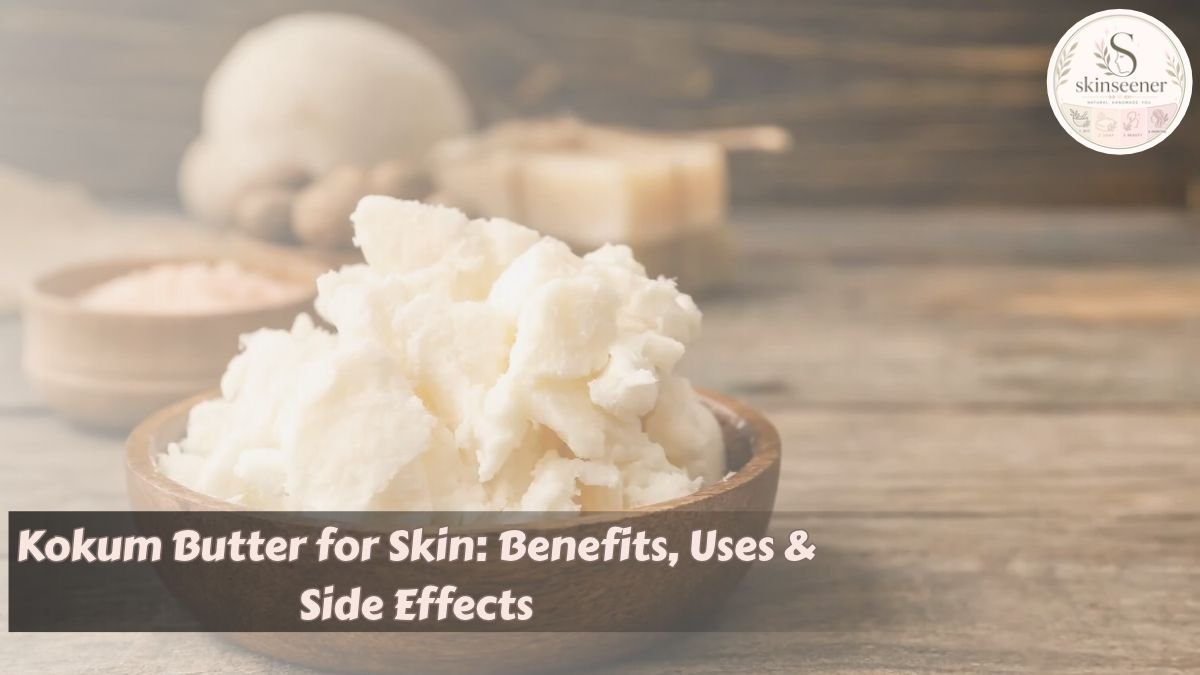
Kokum butter is a plant-based butter known for its rich, firm texture and moisturizing properties. It is commonly used in skincare to help soften dry skin, support the skin barrier, and maintain a smooth, healthy-looking appearance. This guide explains its key skin benefits.
What Is Kokum Butter?
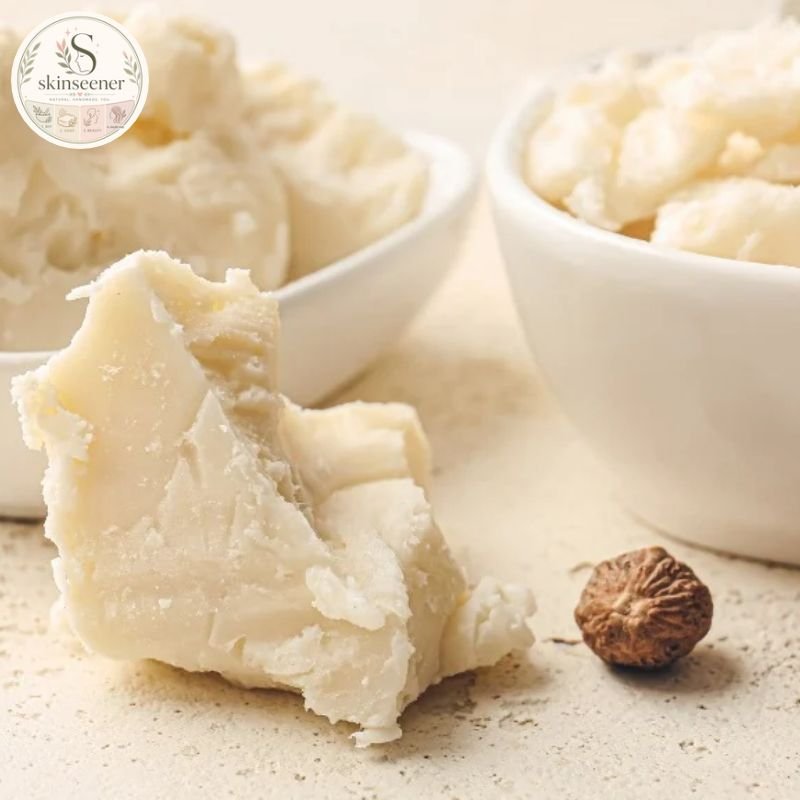
Kokum butter is a natural vegetable butter extracted from the seeds of the kokum fruit, scientifically known as Garcinia indica. It has a firm texture that melts with skin warmth and is commonly used in moisturizers, lip balms, body butters, and other skincare products.
How Is Kokum Butter Made?
Kokum butter is generally obtained from kokum seeds through processing methods that extract their natural fats. The extracted fat is purified and processed into a firm, creamy butter suitable for use in cosmetic and skincare formulations.
What Makes Kokum Butter Beneficial for Skin?
Kokum butter contains skin-conditioning fatty acids and has a rich, protective texture. These qualities can help reduce moisture loss, soften rough areas, support the skin barrier, and leave the skin feeling smoother and more comfortable.
What Are the Benefits of Kokum Butter for Skin?
Kokum butter is mainly valued for its moisturizing and skin-conditioning properties. Its rich texture makes it particularly useful for dry areas and skincare products designed to maintain softness.
1. Helps Moisturize Dry Skin
Kokum butter can help moisturize dry skin by forming a protective layer that reduces moisture loss. Its rich texture helps replenish the skin’s soft, conditioned feel, making it useful in body butters, creams, and other moisturizing skincare products.
2. Supports the Skin Barrier
A healthy skin barrier helps keep moisture inside the skin and protects it from environmental stressors. Kokum butter can support this barrier by conditioning the skin and helping reduce moisture loss, which may leave dry skin feeling more comfortable.
3. Helps Soothe Dry and Rough Skin
Kokum butter can help soften areas that feel dry, rough, or uncomfortable. Its emollient properties provide conditioning moisture, making it useful for elbows, knees, hands, feet, and other areas that commonly become rough or dehydrated.
4. May Improve the Appearance of Skin Texture
Regular moisturization can make dry or uneven-looking skin appear smoother. Kokum butter helps condition the skin’s surface and reduce the feeling of roughness, which may contribute to a softer, smoother, and more even-looking skin texture.
5. Helps Keep Skin Soft and Smooth
Kokum butter creates a nourishing layer over the skin that helps maintain softness. When applied to dry areas, it can improve the skin’s conditioned feel and help prevent excessive dryness, leaving the surface feeling smoother and more comfortable.
6. Useful for Dry Lips and Other Dry Areas
Kokum butter is commonly used in lip-care products because its firm texture and moisturizing properties help condition dry lips. It can also be applied through formulated products to other areas such as cuticles, hands, elbows, and feet.
7. May Support Healthy-Looking Skin
Well-moisturized skin often looks smoother, softer, and healthier. Kokum butter can help maintain the skin’s moisture and conditioned appearance, supporting healthy-looking skin without claiming to change its natural color or provide medical treatment.
Kokum Butter for Different Skin Types
Kokum butter can be useful for several skin types, but its rich texture may feel different depending on individual needs. Consider your skin’s dryness, sensitivity, and tolerance when choosing a product.
1. Kokum Butter for Dry Skin
Kokum butter can be especially useful for dry skin because its rich, emollient texture helps reduce moisture loss and improve softness. It can be used in body butters, creams, balms, and other products designed for dry or rough skin.
2. Kokum Butter for Sensitive Skin
Kokum butter may work well for sensitive skin when used in a simple, fragrance-free formulation. However, sensitivity varies between individuals. Always check the complete ingredient list and perform a patch test before applying a new product widely.
3. Kokum Butter for Oily or Acne-Prone Skin
People with oily or acne-prone skin may prefer lighter skincare products instead of rich butters. Kokum butter can still be used in selected formulations, but avoid assuming it will suit everyone. Patch testing and choosing non-comedogenic products may be helpful.
How to Use Kokum Butter on Skin
Kokum butter can be used directly in suitable formulations or included in skincare products. Apply a small amount to clean, slightly damp skin and adjust usage according to your skin’s needs.
1. As a Body Moisturizer
Use a kokum butter-based body moisturizer after bathing to help lock in moisture and maintain soft, smooth-feeling skin. Focus on areas prone to dryness, including elbows, knees, hands, legs, and feet, and massage gently until absorbed.
2. For Dry Hands and Feet
Apply a small amount of kokum butter or a kokum butter-based cream to clean, dry hands and feet. Using it after washing or bathing can help condition rough areas and maintain a softer, smoother skin feel throughout the day.
3. As a Lip Balm Ingredient
Kokum butter can be included in homemade or commercially formulated lip balms to provide a rich, conditioning texture. It can help soften dry lips and reduce the uncomfortable feeling associated with dryness when combined with suitable oils and waxes.
4. In DIY Skincare Recipes
Kokum butter can be incorporated into DIY body butters, balms, creams, and solid moisturizers. Melt it gently with compatible cosmetic ingredients, allow the mixture to cool appropriately, and use clean equipment to reduce contamination risks.
Kokum Butter vs. Shea Butter: What’s the Difference?
Kokum butter and shea butter are both plant-derived cosmetic butters, but they differ in texture, source, and feel. Kokum butter is typically firmer and less greasy, while shea butter is softer and creamier. Both can help moisturize and condition dry skin. The better option depends on your preferred texture, formulation, skin needs, and how your skin responds to each ingredient.
How Often Can You Use Kokum Butter on Skin?
Kokum butter can generally be used daily when it is included in a suitable skincare product and your skin tolerates it well. Dry areas may benefit from regular application after bathing or whenever they feel uncomfortable. If the product feels too heavy, causes irritation, or contributes to breakouts, reduce use or discontinue it.
Are There Any Side Effects of Kokum Butter?
Kokum butter is generally used as a cosmetic moisturizing ingredient, but individual reactions are possible. Some people may experience irritation, redness, itching, or breakouts from a specific formulation. Patch test new products first and stop using them if irritation develops or persists.
How to Choose the Best Kokum Butter for Skin
Choose kokum butter from a reputable manufacturer with clear ingredient and processing information. For sensitive skin, consider fragrance-free formulations with fewer potential irritants. Look for products appropriate for your skin type, check the ingredient list, and choose cosmetic-grade ingredients for DIY use.
Conclusion
Kokum butter is a rich plant-based ingredient that can help moisturize, soften, and condition dry skin. It may also support the skin barrier and improve the appearance of rough texture. Choose a suitable formulation, patch test new products, and use it consistently for best results.
FAQs
Q1: Can I use kokum butter on my face?
Yes, kokum butter can be used on the face when included in a suitable skincare formulation. However, its rich texture may feel heavy for oily or acne-prone skin. Patch test first and choose a product formulated for facial use.
Q2: Is kokum butter better than shea butter?
Neither is universally better. Kokum butter is generally firmer and can feel less greasy, while shea butter has a softer, creamier texture. Your choice depends on your skin type, preferred texture, and the specific formulation.
Q3: Which butter is best for aging skin?
There is no single butter that is best for everyone. Kokum butter and shea butter can both help moisturize and condition skin, which may improve the appearance of dryness and texture. For aging-related concerns, a complete skincare routine is more important.
Q4: Which butter is best for dry skin?
Kokum butter and shea butter can both be useful for dry skin because they provide rich moisturization and conditioning. Kokum butter may appeal to people who prefer a firmer, less greasy-feeling butter, while shea butter offers a softer texture.
You May Also Like
Homemade Lotion Bars
Homemade Lip Gloss
Homemade Shampoo for Dry Hair
Essential Oils For Glowing Skin


Leave a Reply