 admin
admin 
Coconut oil can be used as a makeup remover because its oily texture helps loosen makeup, sunscreen, and other oil-soluble products. However, it may not suit every skin type, especially acne-prone or sensitive skin. This guide covers its benefits, use, precautions, suitable skin types, and alternatives.
What Is Coconut Oil Makeup Remover?
Coconut oil makeup removal means using coconut oil to loosen and lift makeup from the skin before cleansing. Its oil-based texture can help dissolve long-wearing and waterproof products. For skincare use, people commonly choose virgin coconut oil, organic coconut oil, or cold-pressed coconut oil.
Can Coconut Oil Remove Makeup?
Yes, coconut oil can help remove many types of makeup, including foundation, concealer, lipstick, eyeshadow, mascara, and sunscreen. Its effectiveness depends on the product’s formula. Some waterproof and long-wearing makeup may require a dedicated makeup remover or a second cleansing step for complete removal.
Benefits of Using Coconut Oil as a Makeup Remover
Coconut oil offers a simple, oil-based way to loosen makeup while providing a soft, moisturizing feel. However, suitability depends on individual skin type and tolerance.
1. Helps Loosen Makeup
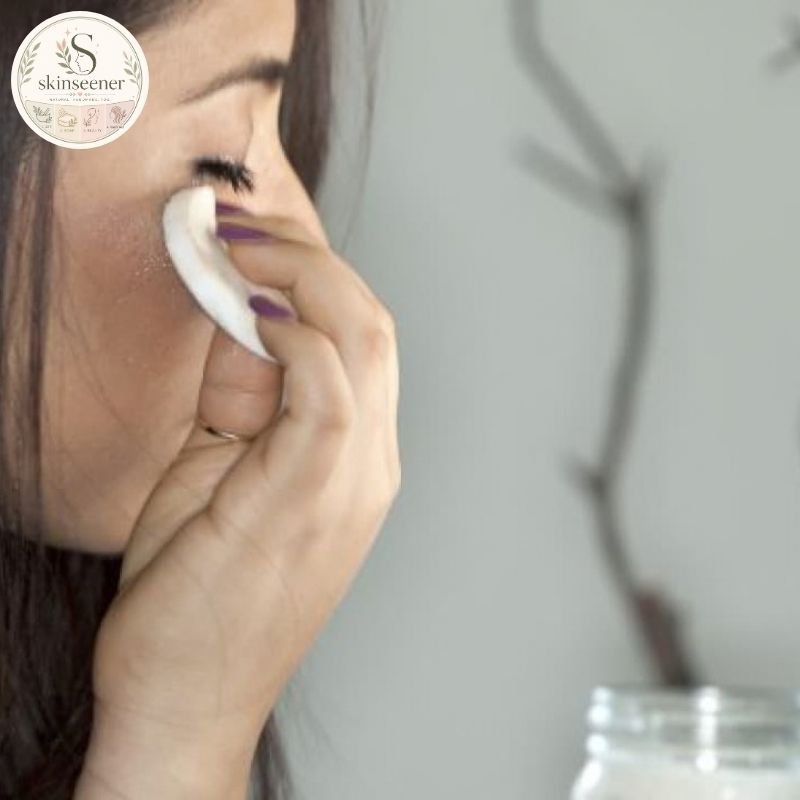
Coconut oil can help break down makeup on the skin, making it easier to wipe away. It may be particularly useful for loosening base makeup, lipstick, and other oil-soluble cosmetic products.
2. Provides a Moisturizing Feel
Coconut oil contains fatty acids and can leave the skin feeling soft after use. This moisturizing sensation is different from claiming that coconut oil provides a long-term treatment for specific skin concerns.
3. Simple and Convenient
Some people prefer coconut oil because it is a simple, single-ingredient option that can be incorporated into an existing cleansing routine without requiring a separate oil-based makeup remover.
4. May Be Useful for Dry Skin
The emollient feel of coconut oil may be comfortable for people with dry skin. However, individual reactions vary, so it is important to observe how your skin responds after use.
How to Use Coconut Oil as a Makeup Remover
- Start with clean hands.
- Take a small amount of coconut oil.
- Gently massage it over dry skin and makeup.
- Use extra care around the eyes and avoid getting oil directly into them.
- Wipe away dissolved makeup with a soft, clean cloth or cotton pad.
- Follow with a gentle cleanser if desired.
- Apply your regular skincare products afterward.
Coconut Oil for Removing Eye Makeup
Coconut oil may help loosen mascara and eyeshadow, but the eye area is delicate and requires gentle handling. Avoid rubbing or pulling the skin. If oil causes irritation or blurred vision, stop using it and rinse the eyes with clean water.
Is Coconut Oil Suitable for Every Skin Type?
No. Coconut oil may work well for some people but may be unsuitable for others, particularly those with acne-prone or sensitive skin.
1. Dry Skin
Coconut oil’s rich, emollient feel may appeal to people with dry skin. It can make the makeup-removal process feel less drying, although individual skin responses can differ.
2. Normal Skin
People with normal skin may use coconut oil as part of a cleansing routine if their skin tolerates it well. A gentle cleanser afterward can help remove remaining oil and makeup residue.
3. Oily Skin
Adding an oil-based product may not feel comfortable for everyone with oily skin. If coconut oil leaves a heavy or greasy feeling, another makeup-removing product may be a better choice.
4. Acne-Prone Skin
Coconut oil may not be the best choice for acne-prone individuals because it can potentially contribute to clogged pores in some people. Those prone to breakouts may prefer a suitable non-comedogenic makeup remover.
5. Sensitive Skin
People with sensitive skin should consider patch testing before regular use. Stop using coconut oil if redness, itching, burning, or other signs of irritation develop.
Does Coconut Oil Remove Waterproof Makeup?
Coconut oil may help loosen some waterproof makeup, but heavily waterproof or long-lasting formulas can be more difficult to remove completely. A dedicated makeup remover may work better. Avoid excessive rubbing, especially around the eyes and lips.
Possible Drawbacks of Using Coconut Oil as a Makeup Remover
Coconut oil may leave an oily residue and may not remove every makeup formula equally well. For some people, it can potentially clog pores or cause irritation. If it enters the eyes, it may temporarily blur vision. Proper cleansing afterward helps remove leftover oil and makeup.

Tips for Using Coconut Oil Safely
- Choose a clean, good-quality product intended for cosmetic use.
- Use only a small amount.
- Avoid vigorous rubbing.
- Keep the oil away from the inside of the eyes.
- Clean the skin afterward if residue remains.
- Patch test before regular use if you have sensitive skin.
- Stop using it if irritation develops.
Conclusion
Coconut oil can be used as a makeup remover and may provide a simple, moisturizing-feeling way to loosen makeup. However, skin type and makeup formula matter. If it causes irritation or does not remove makeup effectively, choose a dedicated makeup remover instead.
FAQs
Q1 Can we use coconut oil as a makeup remover?
Ans. Yes, coconut oil can help loosen and remove many types of makeup, including foundation, lipstick, eyeshadow, and some mascara. It may not completely remove every waterproof or long-wearing formula.
Q2 Which oil is best for makeup remover?
Ans. There is no single best oil for everyone. Coconut oil, jojoba oil, and other cleansing oils can help loosen makeup, but the best choice depends on your skin type, the makeup you use, and how your skin responds.
Q3 Which coconut oil is best for removing makeup?
Ans. Virgin, organic, or cold-pressed coconut oil can be considered for cosmetic use. Choose a clean, good-quality product intended for skincare and use a small amount.
Q4 Is it okay to put coconut oil on your face?
Ans. Coconut oil can be applied to the face by some people, but it may not suit everyone. Those with oily, acne-prone, or sensitive skin should be particularly cautious and stop using it if irritation or breakouts occur.
You May Like To Read
Earthy Smelling Essential Oils
Floral Scented Essential Oils
Minty Essential Oils
Skin Brightening Face Pack at Home
Essential Oils For Dark Circles


Leave a Reply