 admin
admin 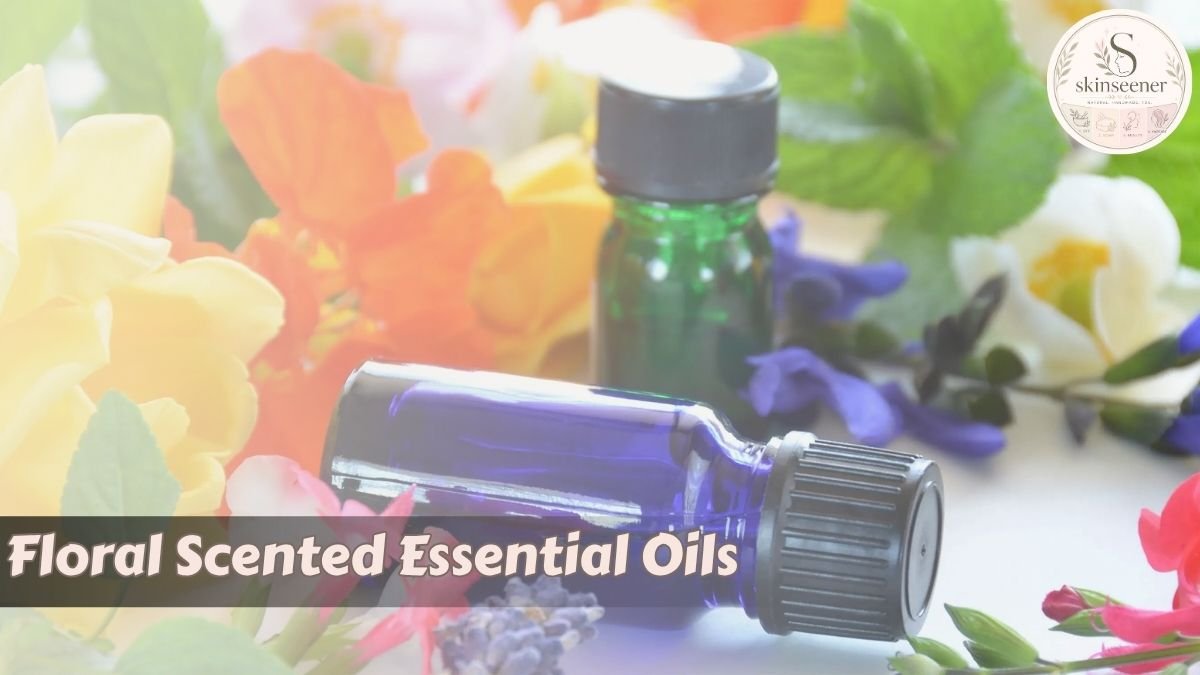
Floral-scented essential oils are concentrated aromatic oils known for their flower-like fragrances, ranging from soft and powdery to sweet, rosy, fresh, and exotic. They are popular in aromatherapy, personal care, perfumes, bath products, and home fragrance because they can add a pleasant natural aroma to everyday routines. Popular floral options include lavender, rose, jasmine, geranium, ylang ylang, and chamomile.
Each oil has its own distinctive aroma profile and traditional applications, so the best choice depends on personal fragrance preferences and intended use. In simple terms, floral essential oils are aromatic plant extracts valued primarily for their characteristic flower-inspired scents and their versatility in fragrance and aromatherapy practices.
What Are Floral Scented Essential Oils?
Floral-scented essential oils are concentrated aromatic extracts obtained from flowers or flowering parts of plants. Essential oils contain naturally occurring volatile aromatic compounds that contribute to a plant’s characteristic scent. Depending on the plant, oils may be obtained from flowers, petals, blossoms, leaves, or other flowering plant materials.
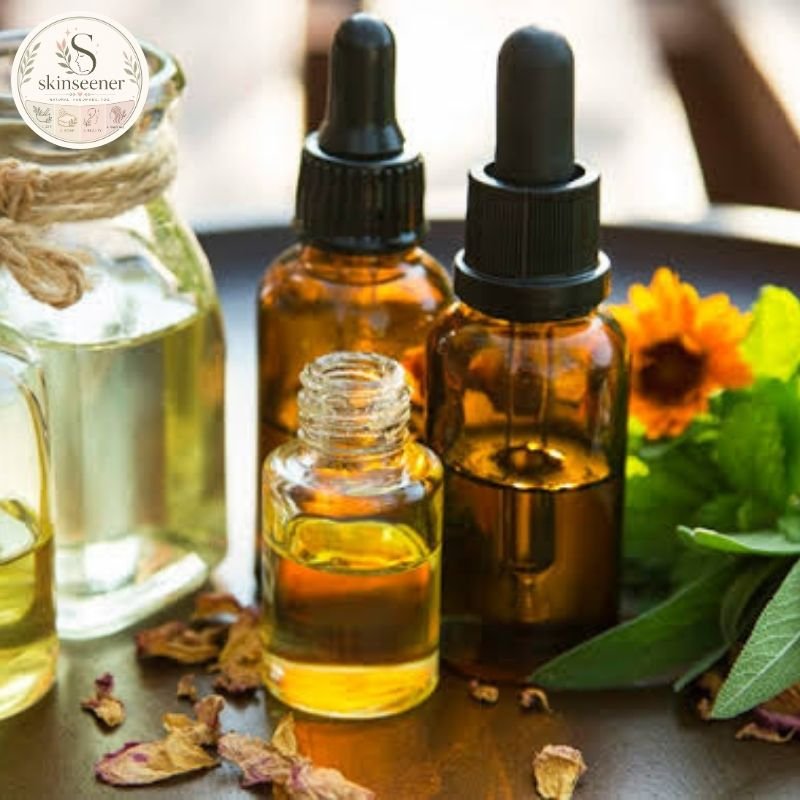
Floral oils are commonly produced through steam distillation or hydro-distillation. However, delicate flowers that can be damaged by heat may require other extraction methods, such as solvent extraction. The resulting material may sometimes be referred to as an absolute rather than a traditionally distilled essential oil.
Natural floral essential oils differ from synthetic floral fragrances. Synthetic fragrances are formulated to create a specific scent, while botanical oils are derived from plant materials and may have naturally complex aroma variations.
How Are Floral Essential Oils Extracted?
Steam distillation is a common method in which steam helps release aromatic compounds from plant material. Hydro-distillation uses water and heat to assist the extraction process. Delicate flowers, including some jasmine varieties, are often processed using solvent extraction because their fragrance compounds may be difficult to obtain through traditional distillation.
The extraction method can influence the final aroma. For example, an absolute may smell closer to the original flower, while a distilled oil may have a lighter or different aromatic character.
What Are the Best Floral Scented Essential Oils?
The best floral-scented essential oil depends on the type of fragrance you enjoy. Some floral oils are soft and calming in character, while others are rich, sweet, tropical, or fresh. Lavender is one of the most versatile choices, whereas rose and jasmine are often preferred for luxurious floral fragrances. Geranium offers a fresh rosy character, and Ylang Ylang is known for its rich tropical sweetness.
1. Lavender Essential Oil
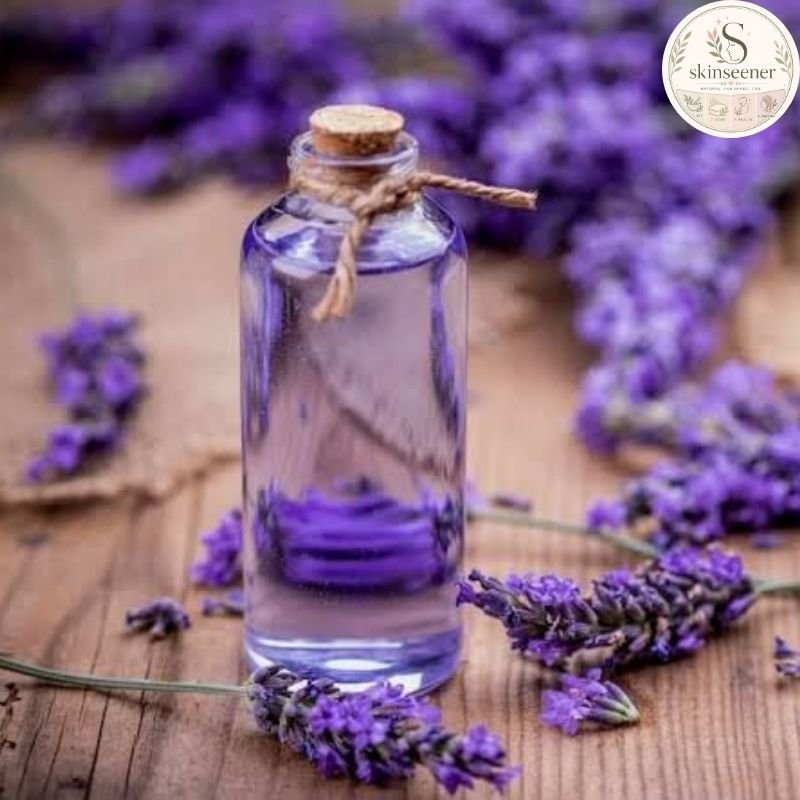
Lavender essential oil has a fresh, soft floral aroma with herbal and slightly woody undertones. It is widely used in aromatherapy, bath products, massage blends, and home fragrance. Its balanced aroma makes it one of the most versatile floral oils for both individual use and blending.
2. Rose Essential Oil
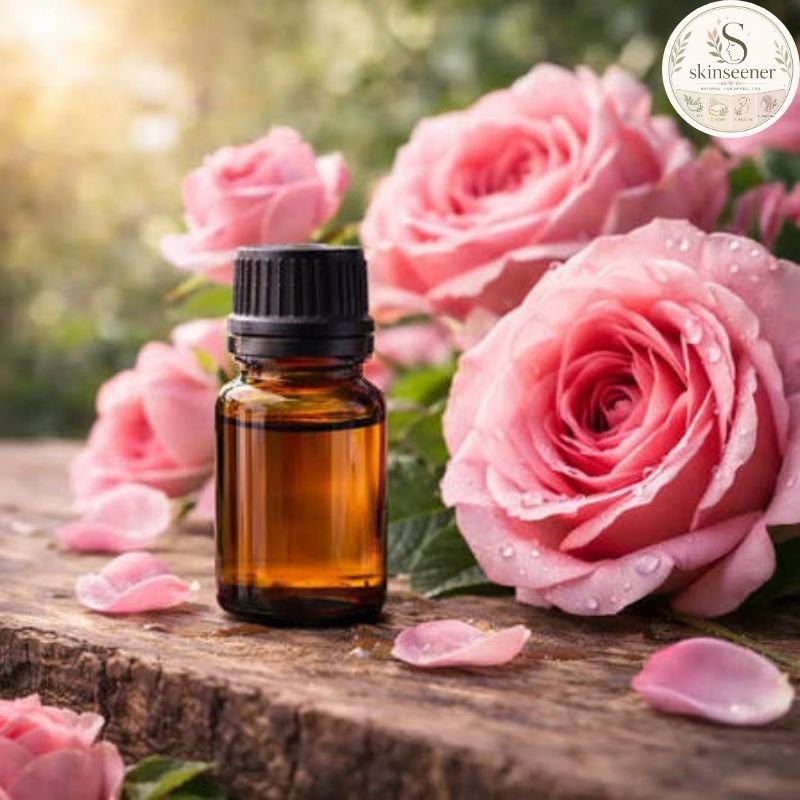
Rose essential oil is valued for its rich, sweet, deep floral fragrance. It has traditional applications in perfumery, skincare formulations, and aromatherapy. Because roses typically produce relatively small amounts of aromatic oil, genuine rose oil is often considered a premium botanical ingredient.
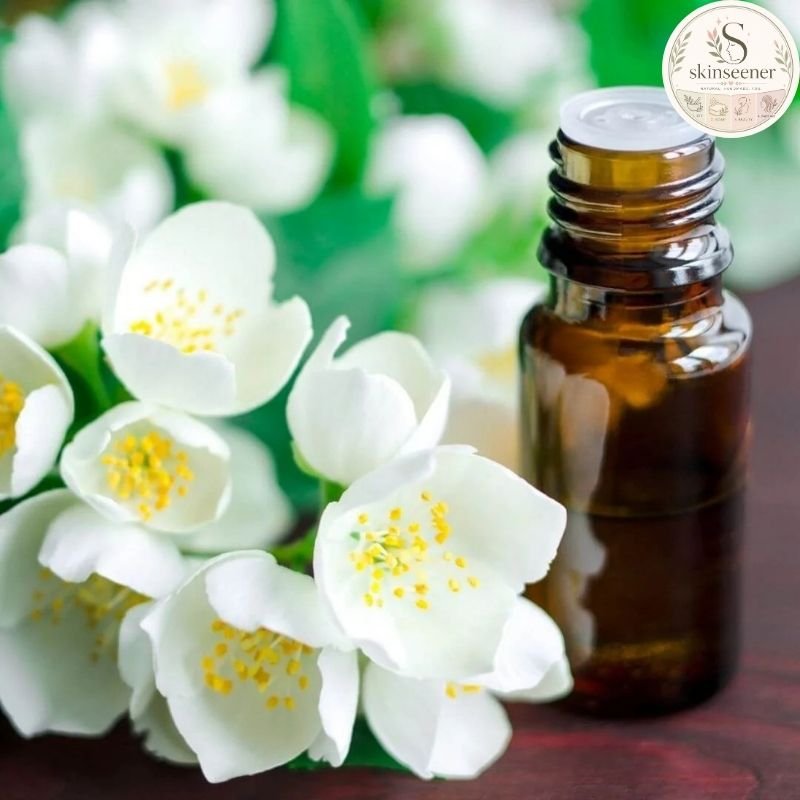
3. Jasmine Essential Oil
Jasmine offers a deep, sweet, warm, and exotic floral fragrance. It is commonly used in perfumes, personal-care products, and sophisticated fragrance blends. Jasmine is especially popular among people who prefer rich and intense floral aromas.
4. Geranium Essential Oil
Geranium essential oil has a fresh, rosy, green, and slightly herbaceous aroma. It works well in skincare products, body oils, soaps, and aromatherapy blends. Its balanced fragrance also combines well with citrus and herbal oils.
5. Ylang Ylang Essential Oil
Ylang Ylang essential oil has a sweet, tropical, creamy, and exotic floral aroma. It is frequently used in perfumes and relaxing fragrance blends. A small amount can add depth and sweetness to a floral composition.
What Are the Potential Benefits of Floral Scented Essential Oils?
Floral-scented essential oils are primarily valued for their aromas and traditional uses. Their fragrance can contribute to a pleasant sensory environment, but it is important to distinguish traditional aromatherapy use from medically proven health effects.
1. May Create a Relaxing Atmosphere
Floral aromas are commonly incorporated into quiet routines, including reading, meditation, baths, and evening relaxation. Many people enjoy their soft and comforting scent profiles.
2. Can Enhance Aromatherapy Experiences
Floral oils can be used in diffusers, personal inhalation routines, appropriately prepared baths, and massage blends. Different aromas can help create a preferred atmosphere during these activities.
3. May Support a Pleasant Home Environment
A diffuser or natural fragrance blend can add floral notes to a room. Oils can also be combined with compatible botanical aromas for customized home fragrance.
4. Can Be Used in Personal Care
When properly diluted and formulated, floral oils may be included in massage oils, body products, soaps, and other personal-care preparations.
5. Offer Different Fragrance Experiences
Floral oils provide a wide range of scent personalities, including fresh, sweet, rosy, exotic, powdery, and citrus-floral aromas.
How Do You Use Floral Scented Essential Oils?
Floral-scented essential oils can be used through diffusion, properly diluted topical applications, massage oils, DIY products, and specially prepared bath products. Always follow the instructions provided for the specific essential oil and product.
1. Using Floral Essential Oils in a Diffuser
Diffusers disperse aromatic compounds into the surrounding air, usually by combining essential oils with water or through another diffusion method. Follow your diffuser manufacturer’s instructions regarding the amount of water and oil to use.
2. Using Them in a Carrier Oil
Essential oils are highly concentrated, so topical use generally requires dilution. Common carrier oils include jojoba oil, coconut oil, and sweet almond oil. The appropriate dilution level can vary depending on the oil, intended use, and individual sensitivity.
3. Adding Them to a Bath
Do not simply pour essential oils directly into bathwater. Oil and water do not mix properly, which may leave concentrated droplets on the skin. Use an appropriate dispersing product or a properly formulated bath preparation.
4. Using Them for Massage
Dilute the essential oil appropriately in a suitable carrier oil before massage. A patch test may also be useful, particularly for people with sensitive skin.
5. Adding Them to DIY Beauty Products
Floral oils can be added to properly formulated body oils, hair-care blends, scrubs, soaps, and bath products. Use formulations and concentrations appropriate for the specific product.
How to Choose the Best Floral Scented Essential Oil
1. Consider the Aroma.
Start with your scent preference. Sweet floral lovers may prefer Jasmine or Ylang Ylang, while fresh fragrance lovers may enjoy Geranium or Neroli. Rose offers a rich floral profile, while lavender and chamomile provide softer aromatic options.
2. Check the Botanical Name
The botanical name helps identify the exact plant species and reduces confusion between oils with similar common names. Different species or varieties can have noticeably different aromas.
3. Look for Quality Information
Choose products that clearly provide information about the plant source, extraction method, batch details, and ingredients. Transparent labeling makes it easier to understand what you are purchasing.
4. Consider the Intended Use
Some oils are better suited to perfumery, while others are commonly used in diffusers, massage blends, or personal-care products.
5. Choose a Reputable Supplier
Look for suppliers that provide clear and consistent product information rather than relying only on broad marketing claims.
Are Floral Scented Essential Oils Safe to Use?
Floral essential oils are highly concentrated and should be used carefully. In general, they should not be applied undiluted directly to the skin. For topical use, dilute them with an appropriate carrier oil and follow product-specific instructions.
A patch test may help identify individual skin sensitivity. Avoid contact with the eyes and mucous membranes. Extra caution may be appropriate for children, pregnancy, pets, allergies, or certain medical conditions. Some essential oils may also cause skin irritation or photosensitivity.
Can You Apply Floral Essential Oils Directly to Your Skin?
Generally, no. Most essential oils should be properly diluted before topical use unless a specific product and qualified guidance indicate otherwise.
Can You Ingest Floral Essential Oils?
Ingestion should not be recommended casually. Essential oils are concentrated substances, and internal use should only be considered when specifically appropriate and under guidance from a qualified professional.
Best Floral Essential Oil Blends
1. Lavender + Rose
Lavender’s soft, herbal-floral character complements the rich sweetness of rose. Together, they create a balanced, elegant, and classic floral fragrance.
2. Jasmine + Ylang Ylang
Jasmine and Ylang Ylang both have rich, sweet, exotic aromas. Their similar intensity creates a deep and luxurious floral blend suitable for perfume-style fragrances.
3. Geranium + Lavender
Geranium’s fresh, rosy, and herbaceous notes blend naturally with lavender’s soft floral aroma. The result is a balanced floral-herbal scent.
4. Rose + Neroli
Rose adds depth and sweetness, while Neroli introduces a bright, fresh, citrus-floral character. Together, they create an elegant and sophisticated fragrance profile.
5. Chamomile + Lavender
Chamomile has a soft, gentle, slightly herbal floral aroma that blends smoothly with lavender. The combination creates a light and delicate floral scent.
Floral Essential Oils for Different Aromatherapy Preferences
Choosing a floral essential oil often comes down to scent personality:
- For fresh floral lovers: Neroli and geranium offer bright, green, and fresh floral notes.
- For sweet floral lovers: Jasmine and ylang-ylang provide rich, sweet, and expressive fragrances.
- For soft floral lovers: Lavender and chamomile offer gentler floral profiles with herbal undertones.
- For rich floral lovers: Rose is a classic choice with a deep and luxurious aroma.
- For balanced aromas: Lavender and geranium work well together, combining soft floral, rosy, and herbaceous notes.
FAQs
Q1 What essential oils have a floral smell?
Ans. Popular floral-scented essential oils include lavender, rose, jasmine, geranium, ylang – ylang, chamomile, and neroli. Each has a different scent profile, ranging from soft and fresh to rich and exotic.
Q2 Which floral scent is best?
Ans. There is no single best floral scent because fragrance preferences are personal. Lavender is a versatile choice, rose is rich and classic, jasmine is sweet and exotic, and geranium offers a fresh rosy aroma.
Q3 What essential oil keeps flowers fresh?
Ans. There is no essential oil proven to keep cut flowers fresh simply by adding it to vase water. For extending the life of cut flowers, proper water quality, flower-food products, and regular trimming are generally more reliable approaches.
Q4 What is the most beautiful flower scent?
Ans. Beauty in fragrance is subjective. Rose, jasmine, lavender, gardenia, neroli, and ylang-ylang are among the floral scents commonly appreciated in perfumery and personal fragrance.
You May Also Like
Essential Oils for Pigmentation
Homemade Shampoo for Dry Hair
Essential Oils For Glowing Skin
Essential Oils For Dark Circles
Best Oil For Knee Joint Pain

Leave a Reply