 admin
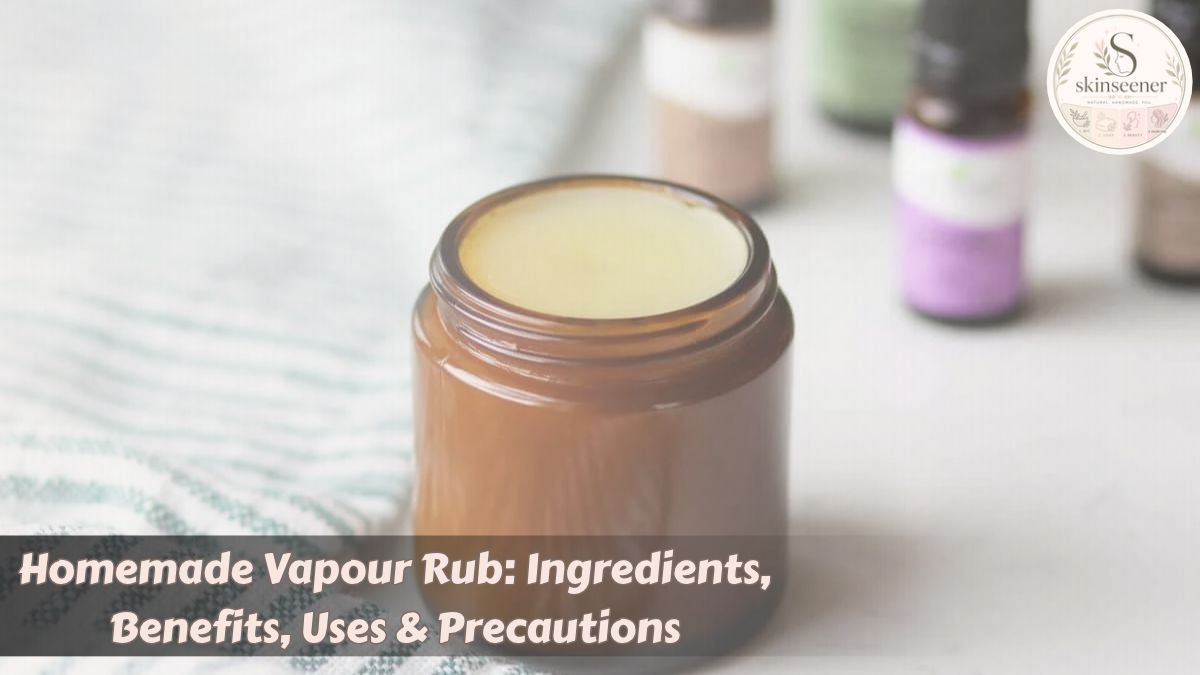
Homemade vapour rub is a simple DIY topical balm made with ingredients such as coconut oil, beeswax, and selected essential oils. It may provide a cooling sensation and soothing aromatic experience when used appropriately.
What Is Homemade Vapour Rub?
Homemade vapour rub is a balm prepared at home using a carrier oil, wax, and aromatic essential oils. Unlike commercial vapour rubs, its ingredients can be selected and adjusted according to personal preferences. It is generally used as part of a comforting self-care or nighttime routine.
What Ingredients Are Used in Homemade Vapour Rub?
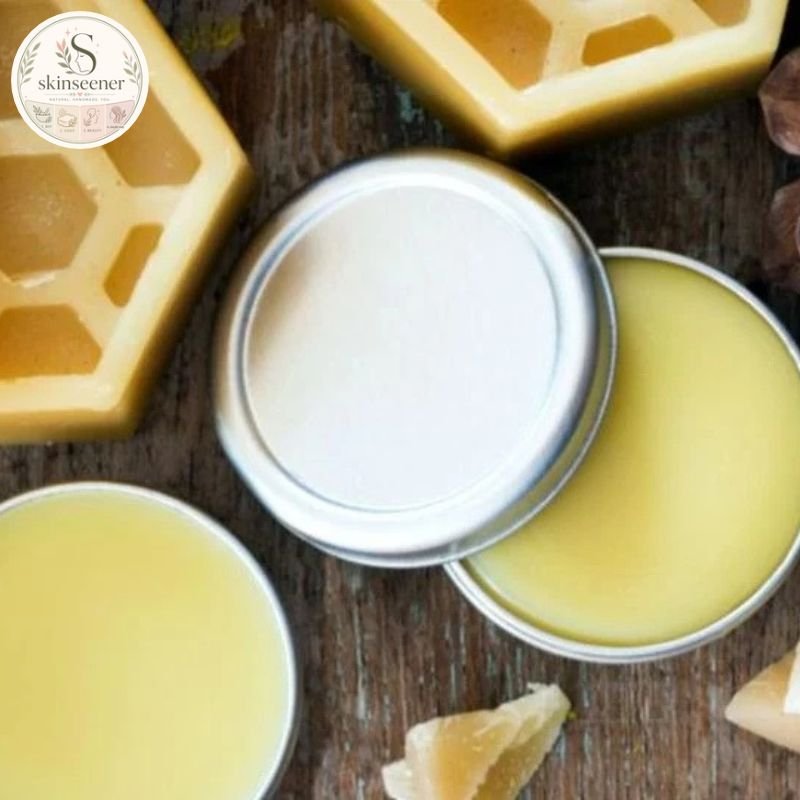
A basic homemade vapour rub commonly combines a moisturizing carrier oil, beeswax for consistency, and aromatic essential oils. Each ingredient contributes to the balm’s texture, scent, and overall topical experience.
1. Coconut Oil
Coconut oil acts as the primary carrier oil in homemade vapour rub. Its smooth, moisturizing texture helps create an easy-to-apply balm while diluting essential oils. Choose a good-quality coconut oil and ensure the finished mixture is used only as directed.
2. Beeswax
Beeswax helps give homemade vapour rub its firm, balm-like consistency. It also allows the mixture to remain solid at room temperature while melting slightly during application. Beeswax can be combined with coconut oil to create a smooth, spreadable topical product.
3. Eucalyptus Essential Oil
Eucalyptus essential oil contributes a strong, fresh, camphor-like aroma to homemade vapour rub. Its distinctive scent can create a refreshing aromatic experience. Essential oil should always be properly diluted before topical use and handled carefully, particularly around children.
4. Peppermint Essential Oil
Peppermint essential oil provides a fresh, minty aroma and can create a noticeable cooling sensation on the skin. Because essential oils are highly concentrated, only a small, properly diluted amount should be used. Avoid applying peppermint oil near the eyes.
5. Lavender Essential Oil
Lavender essential oil adds a soft, floral aroma to homemade vapour rub. It can complement stronger eucalyptus or peppermint scents and make the balm more pleasant for nighttime routines. Always dilute lavender essential oil appropriately before applying the finished product to skin.
How to Make Homemade Vapour Rub at Home?
Gently melt coconut oil and beeswax together using a double boiler. Remove from heat, allow the mixture to cool slightly, then add properly diluted essential oils. Stir thoroughly, transfer into a clean container, and let the balm solidify completely.
How Does Homemade Vapour Rub Work?
Homemade vapour rub mainly works through its topical texture and aromatic ingredients. Menthol-like aromas from peppermint or eucalyptus can create a cooling or refreshing sensation. The balm itself also provides a convenient way to enjoy these scents during a personal-care routine.
Benefits of Homemade Vapour Rub
Homemade vapour rub can be a convenient addition to a personal-care routine. Its potential advantages mainly relate to its cooling sensation, pleasant aroma, customisable ingredients, and easy application rather than treating an underlying illness.
1. May Provide a Cooling Sensation
Peppermint essential oil contains menthol-related aromatic compounds that can produce a noticeable cooling sensation when applied appropriately to the skin. This sensation can feel refreshing, although it does not necessarily mean the body or skin temperature is actually being lowered.
2. Helps Create a Soothing Aromatic Experience
The combination of eucalyptus, peppermint, or lavender essential oils can create a pleasant aromatic experience. Their distinctive scents may make a homemade vapour rub feel refreshing or comforting when incorporated into a relaxing personal-care routine, particularly during nighttime.
3. Supports a Comfortable Nighttime Routine
Applying a pleasantly scented balm can become part of a relaxing nighttime routine. Aromatic ingredients such as lavender, eucalyptus, and peppermint may make the experience feel refreshing or comforting, although a homemade vapour rub should not be considered a treatment for sleep problems.
4. Easy to Customise With Simple Ingredients
One advantage of homemade vapour rub is the ability to select familiar ingredients and adjust the aroma. Coconut oil, beeswax, and appropriately diluted essential oils can be combined according to personal preferences while maintaining careful attention to safety and proper proportions.
How to Use Homemade Vapour Rub?
Take a small amount of homemade vapour rub and gently massage it onto appropriate areas of intact skin. Use clean hands and avoid the eyes, mouth, broken skin, and sensitive areas. Follow proper essential-oil dilution guidelines with every application.
Where Can You Apply Homemade Vapour Rub?
Homemade vapour rub can generally be applied to areas such as the chest, upper back, or neck when the formulation is appropriately diluted and intended for topical use. Avoid the face, nostrils, eyes, broken skin, and other sensitive areas.
Is Homemade Vapour Rub Safe for Everyone?
Homemade vapour rub is not suitable for everyone. Essential oils can irritate skin and may pose particular risks to babies and young children. Pregnant individuals, people with sensitive skin, and those with medical concerns should seek appropriate professional advice before use.
Homemade Vapour Rub Precautions
Using essential oils carefully is important when preparing a homemade vapour rub. Proper dilution, suitable ingredients, safe storage, and avoiding sensitive areas can reduce the likelihood of irritation or accidental exposure during everyday use.
1. Avoid Contact With Eyes
Keep homemade vapour rub away from the eyes and surrounding eye area. Essential oils can cause significant irritation if they enter the eyes. If accidental contact occurs, rinse carefully with clean water and seek medical advice if irritation continues.
2. Do a Patch Test
Before using homemade vapour rub more widely, perform a small patch test on an inconspicuous area of intact skin. Wait and observe for signs such as redness, burning, itching, or irritation. Stop using the product if an adverse reaction occurs.
3. Use Essential Oils Carefully
Essential oils are highly concentrated and should not be applied directly to skin without appropriate dilution. Follow reliable dilution guidance, use only small amounts, and avoid combining excessive quantities of multiple oils. More essential oil does not mean greater benefit.
4. Keep Away From Young Children
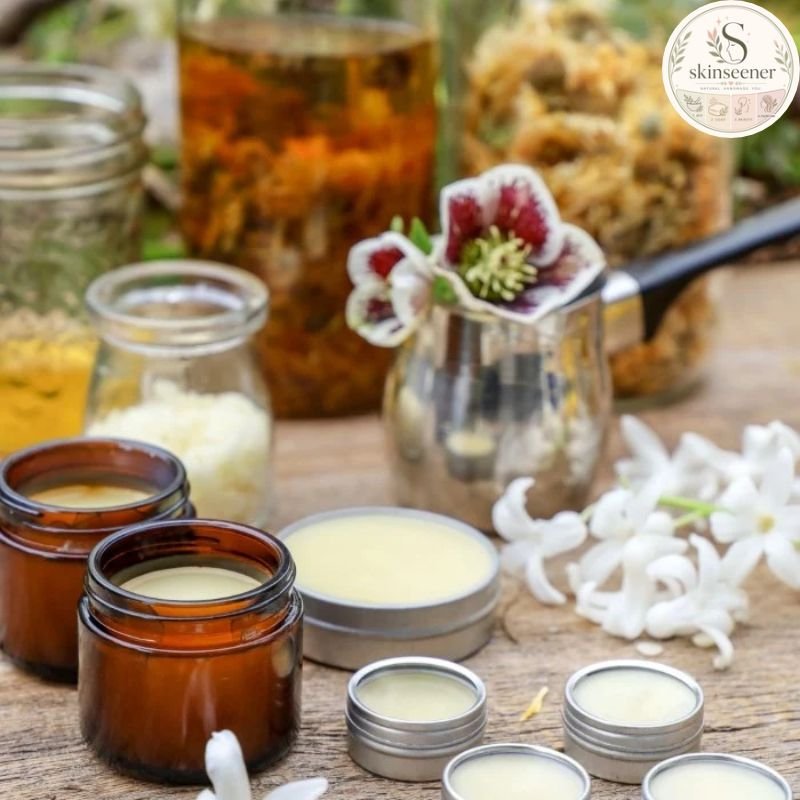
Keep homemade vapour rub and its essential oils away from babies and young children. Certain essential oils, including eucalyptus and peppermint, can be inappropriate or hazardous for young children. Always follow age-specific safety guidance before considering topical aromatic products.
5. Do Not Ingest
Homemade vapour rub is intended for external use and should never be swallowed. Essential oils can be harmful when ingested, particularly in concentrated amounts. Keep the container securely closed and stored out of reach of children and pets.
Homemade Vapour Rub vs. Store-Bought Vapour Rub
Homemade vapour rub allows you to choose ingredients and customise the aroma, while store-bought products are formulated, tested, and packaged for specific uses. Commercial vapour rubs may contain ingredients such as camphor, menthol, or other active components that homemade versions may not include. Homemade formulations require careful dilution, hygiene, storage, and safety considerations.
How to Store Homemade Vapour Rub?
Store homemade vapour rub in a clean, dry, airtight container away from direct sunlight and excessive heat. Keep it in a cool location and always use clean hands when removing the balm. Label the container with its ingredients and preparation date.
FAQs
Q1. What is the main ingredient in vapor rub?
There is no single universal main ingredient in every vapour rub. Commercial formulations commonly contain ingredients such as petrolatum, camphor, menthol, or eucalyptus oil, depending on the product. Homemade versions often use a carrier such as coconut oil combined with beeswax and essential oils.
Q2. What is a substitute for vapor rub?
A simple substitute may be a properly diluted aromatic balm made with a suitable carrier oil and carefully selected essential oils. However, alternatives depend on the intended purpose. Plain moisturising balm can also provide topical comfort without essential oils.
Q3. Does vapor rub have camphor?
Many commercial vapour rubs contain camphor, but not all products do. A homemade vapour rub made with coconut oil, beeswax, eucalyptus, peppermint, and lavender essential oils does not automatically contain camphor unless camphor is specifically added. Camphor should not be added casually because it can be toxic if misused.
You May Like’s
Homemade Lotion Bars
Homemade Shampoo for Dry Hair
Homemade Lip Gloss
Raspberry Lip Balm Recipe


Leave a Reply