 admin
admin 
Yes, Kumkumadi oil may help improve the appearance of uneven skin tone, dullness, and mild dark spots. This traditional Ayurvedic facial oil is commonly used to support brighter, healthier-looking skin, although results vary depending on the type and cause of pigmentation.
What Is Kumkumadi Oil?
Kumkumadi oil, also called Kumkumadi Tailam, is a traditional Ayurvedic facial oil made with a blend of botanical ingredients. It is commonly used in facial skincare to nourish the skin and support a more even, radiant-looking complexion.
What Is Kumkumadi Tailam?
Kumkumadi Tailam is an Ayurvedic facial oil traditionally formulated with saffron and other botanical ingredients. Depending on the formulation, it may contain sandalwood, turmeric, lotus, manjistha, and additional herbs or oils. Because formulations differ between products, checking the complete ingredient list is important before use.
How Does Kumkumadi Oil Work on Pigmentation?
Kumkumadi oil may support the appearance of pigmentation through moisturizing and antioxidant-rich botanical ingredients. Better hydration can make skin appear smoother and more radiant, while botanical antioxidants may support overall skin condition. However, improving the appearance of pigmentation is different from medically treating its underlying cause.
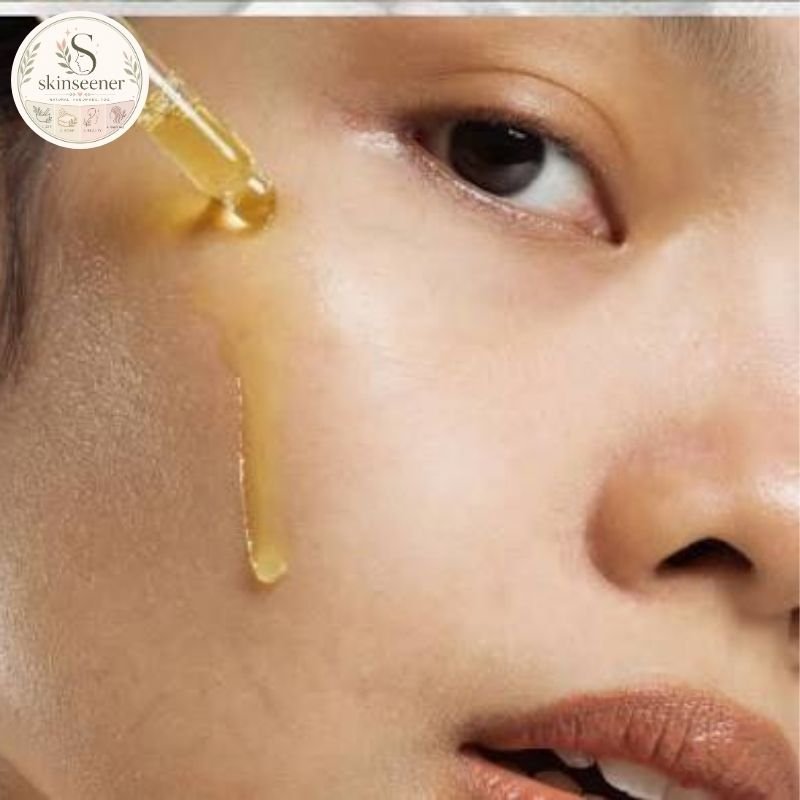
Benefits of Kumkumadi Oil for Pigmentation
1. May Support a More Even-Looking Skin Tone
Regular use of a suitable facial oil can help keep the skin moisturized and supple, which may make uneven areas appear less noticeable. Kumkumadi oil for pigmentatin is traditionally used to support a balanced, brighter-looking complexion.
2. Helps Nourish Dry and Dull Skin
Facial oils can help reduce moisture loss and leave dry skin feeling softer and smoother. When the skin is adequately moisturized, its surface can look healthier and more radiant, which may improve the overall appearance of dull or uneven skin.
3. May Improve the Appearance of Dark Spots
Kumkumadi oil may provide a cosmetic benefit by making mild dark spots and uneven areas look less noticeable as part of a consistent skincare routine. It should not be expected to permanently remove pigmentation, particularly when an underlying condition is involved.
4. Supports Skin Radiance
Kumkumadi oil is traditionally associated with brighter-looking and more radiant skin. Its combination of facial oils and botanical ingredients can provide nourishment and moisture, helping the complexion appear smoother, healthier, and naturally glowing with regular skincare.
5. Provides Antioxidant Support
Many Kumkumadi formulations contain botanical ingredients such as saffron, turmeric, sandalwood, lotus, and manjistha. Some of these plants contain naturally occurring antioxidant compounds that may help support the skin against everyday environmental stress while complementing a nourishing skincare routine.
Kumkumadi Oil for Different Types of Pigmentation
1. Kumkumadi Oil for Dark Spots
Kumkumadi oil for may fit into a skincare routine focused on the appearance of post-blemish marks and mild sun-related spots. Its moisturizing properties can support smoother-looking skin, while consistent skincare and sun protection are important for preventing spots from becoming more noticeable.
2. Kumkumadi Oil for Acne Marks
Kumkumadi oil may help improve the cosmetic appearance of leftover marks after acne by keeping the skin nourished and moisturized. However, active acne and acne-related pigmentation are different concerns. Managing breakouts and preventing new inflammation can be important for reducing future marks.
3. Kumkumadi Oil for Sun Tan and Uneven Tone
A sun tan occurs when the skin increases melanin production after UV exposure, while hyperpigmentation refers more broadly to areas of increased skin color. Kumkumadi oil for pigmentation may support the appearance of uneven tone, but daily broad-spectrum sunscreen is essential to limit ongoing UV-related darkening.
4. Kumkumadi Oil for Melasma
Melasma is a complex pigmentation condition commonly associated with recurring patches of brown or darker skin. Kumkumadi oil should not be considered a standalone treatment for melasma. If pigmentation is persistent, spreading, or difficult to manage, professional dermatological evaluation can help identify appropriate treatment options.
How to Choose the Best Kumkumadi Oil for Pigmentation
When choosing Kumkumadi oil, check the complete ingredient list and select a formulation specifically intended for facial use. Look for clear information about the manufacturer, ingredients, and product quality. If your skin is sensitive, consider fragrance and essential-oil content. Avoid products promising instant or permanent pigmentation removal.
Can Kumkumadi Oil Be Used Every Day?
Some people may use Kumkumadi oil for pigmentation regularly as part of their facial skincare routine. However, oily, acne-prone, or sensitive skin may respond differently to facial oils. Start cautiously with a small amount and observe how your skin reacts. Reduce or discontinue use if you notice irritation, excessive oiliness, or breakouts.

Side Effects and Precautions
1. Can Kumkumadi Oil Cause Irritation?
Yes, Kumkumadi oil for pigmentation can potentially cause irritation in some people. Redness, itching, burning, sensitivity, or breakouts may occur, particularly with certain ingredients or formulations. “Natural” or Ayurvedic ingredients can still trigger skin sensitivity, so introduce the product gradually.
2. Patch Test Before Use
Before applying Kumkumadi oil to your entire face, apply a small amount to a discreet area of skin and observe the reaction. Avoid using it if significant redness, itching, burning, swelling, or irritation develops. A patch test can help identify potential sensitivity before regular facial use.
3. Who Should Be Careful?
People with very sensitive or reactive skin should introduce Kumkumadi oil cautiously. Those prone to clogged pores or breakouts may also need to monitor their skin closely. If you already use several strong skincare actives, adding another product gradually can help reduce the risk of irritation.
Kumkumadi Oil and Sunscreen: Why Both Matter
Sunscreen is an essential part of any pigmentation-focused skincare routine. UV exposure can worsen or maintain the appearance of dark spots and uneven tone. Use a broad-spectrum SPF during daytime, especially when pigmentation is a concern. Kumkumadi oil may complement skincare, but it should never replace sunscreen.
Common Mistakes to Avoid When Using Kumkumadi Oil
Avoid applying too much oil, skipping sunscreen, or combining several potentially irritating active ingredients at once. Do not expect immediate results or apply facial oil to irritated or damaged skin. Also remember that every Kumkumadi formulation is different, so always check the product’s ingredient list before use.
FAQs
Q1 Does Kumkumadi Oil Remove Hyperpigmentation?
Ans. Kumkumadi oil should not be considered a proven method for completely removing hyperpigmentation. It may support the appearance of smoother, more radiant, and more even-looking skin. The results can vary depending on the type, severity, and underlying cause of pigmentation.
Q2 What Are the Disadvantages of Kumkumadi Oil?
Ans. Potential disadvantages include irritation, sensitivity, breakouts, or clogged pores in some individuals. The experience can also vary because Kumkumadi formulations may contain different botanical, fragrance, or essential-oil ingredients. Using too much product may leave the skin excessively oily.
Q3 Can I Apply Kumkumadi Oil Overnight?
Ans. Yes, some people include Kumkumadi oil in their nighttime skincare routine and leave it on overnight. Start with a small amount on clean skin and monitor your response. If irritation or breakouts occur, discontinue use or reduce how frequently you apply it.


Leave a Reply