 admin
admin 
What are minty essential oils? Minty essential oils are concentrated aromatic oils obtained from mint-family plants and other plants with a fresh, cooling, mint-like aroma. They are commonly used in aromatherapy, personal care products, hair and scalp routines, skincare formulations, and home fragrance.
Peppermint and spearmint are among the best-known mint-derived essential oils. Different mint oils can vary in their aroma, chemical composition, strength, and potential effects, so their benefits and safety considerations may differ.
Mint oils are popular because they create a fresh and cooling sensory experience. However, the evidence supporting specific benefits varies depending on the essential oil and its intended use. A pleasant cooling sensation or fresh aroma should not automatically be considered a proven medical benefit.
What Are Minty Essential Oils?
Minty essential oils are concentrated aromatic oils derived primarily from plants in the mint family. They contain natural aromatic compounds that give them their characteristic fresh, herbal, cooling, or sweet mint-like scent.
Common minty essential oils include:
- Peppermint essential oil
- Spearmint essential oil
- Cornmint essential oil
- Field mint essential oil
Some other essential oils may also have fresh or cooling aromatic qualities, but the term “mint essential oil” usually refers to oils obtained from mint plants.
How Are Mint Essential Oils Made?
Most mint essential oils are produced through steam distillation. In this process, steam passes through harvested mint leaves and other plant material, helping release the plant’s volatile aromatic compounds.
The process generally includes:
- Harvesting the mint leaves.
- Exposing the plant material to steam.
- Releasing the aromatic compounds.
- Cooling and collecting the condensed essential oil.
The final product is highly concentrated compared with the original plant. This is why only small amounts are typically used in properly formulated products.
What Makes Mint Essential Oils Different?
Mint essential oils are known for several distinctive characteristics.
Cooling sensation: Oils such as peppermint may create a noticeable cooling sensation because of compounds such as menthol.
Fresh and strong aroma: Mint oils usually have a clean, sharp, herbal fragrance that can make a space or product smell fresh.
Different chemical compositions: The composition of an essential oil depends on the plant species. For example, peppermint and spearmint have different dominant aromatic compounds, which can affect their scent and sensory properties.
What Are the Benefits of Minty Essential Oils?
Minty essential oils can provide a fresh aroma, a cooling sensory experience, and an invigorating addition to aromatherapy and personal care routines. Their effects vary by oil, concentration, formulation, and individual response, and they should not be used as substitutes for medical treatment.
1. Provides a Fresh and Cooling Sensation
Peppermint essential oil is particularly known for its cooling sensation. This effect is associated with menthol, one of the naturally occurring compounds found in peppermint oil.
The cooling feeling is primarily a sensory effect. It is important to distinguish between feeling cool and having a medically proven therapeutic effect. A cooling sensation does not necessarily mean that the oil is treating inflammation, pain, or another health condition.
2. Supports an Invigorating Aromatherapy Experience
Minty aromas are often used in aromatherapy because many people find them fresh, stimulating, and energizing.
Peppermint and spearmint essential oils can be used in a diffuser to create a crisp aromatic environment. Individual responses to fragrance vary, so the experience may feel invigorating to one person and simply refreshing to another.
3. May Help Freshen the Air
Mint essential oils are commonly added to diffusers and home-fragrance products because of their strong, clean aroma.
Using a small amount in a diffuser can help create a fresher-smelling environment. However, essential oils should be used according to diffuser and product instructions, especially in enclosed spaces.
4. May Support a Refreshing Scalp-Care Routine
When properly diluted, mint essential oils may provide a refreshing and cooling sensation on the scalp.
They can be included in:
- Scalp oils
- Hair oils
- Shampoos
- Scalp serums
- Properly formulated hair-care products
Peppermint oil is often used in scalp-care routines for its noticeable cooling effect. However, a cooling sensation should not be confused with guaranteed hair-growth results.
5. Can Add a Fresh Feel to Skin-Care Products
Mint essential oils can add a fresh aromatic and sensory quality to some properly formulated skincare products.
However, essential oils are concentrated ingredients and should not automatically be treated as skincare treatments. Incorrect dilution may cause irritation, especially in people with sensitive skin.
6. May Help Create a Relaxing or Refreshing Routine
Aromatherapy is often part of a personal self-care routine. Some people may find minty scents refreshing, while others may combine them with softer oils to create a more relaxing fragrance experience.
Responses to aroma are personal, so there is no single effect that everyone will experience.
Minty Essential Oils for Hair and Scalp
Is Peppermint Oil Good for the Scalp?
Peppermint oil is commonly used in scalp-care products because of its strong minty aroma and cooling sensation.
When appropriately diluted, it may make a scalp routine feel fresh and invigorating. However, evidence does not support promising guaranteed hair growth or hair-loss treatment results from peppermint oil alone.
People experiencing significant hair loss or persistent scalp concerns should consider consulting an appropriate healthcare professional.
How to Use Mint Essential Oil on the Scalp
Mint essential oils should generally be diluted before topical use.
A basic approach may include:
- Choose a suitable carrier oil or properly formulated scalp product.
- Add mint essential oil according to safe product dilution guidance.
- Test the mixture on a small area of skin.
- Avoid applying it to irritated or damaged skin.
- Keep the product away from the eyes.
- Stop using the product if irritation develops.
Start with a low concentration rather than using large amounts.
Mint Essential Oil vs. Peppermint Oil for Hair
Mint essential oil is a broad term that may refer to different oils obtained from mint plants.
Peppermint essential oil specifically comes from the peppermint plant.
For this reason, the two terms are not always interchangeable. Peppermint oil is one specific type of mint oil, while mint oil may refer to peppermint, spearmint, cornmint, or another mint-derived oil.
Minty Essential Oils for Skin
Can Mint Essential Oil Be Used on Skin?
Yes, mint essential oil can be used on the skin when an appropriate dilution and formulation are used.
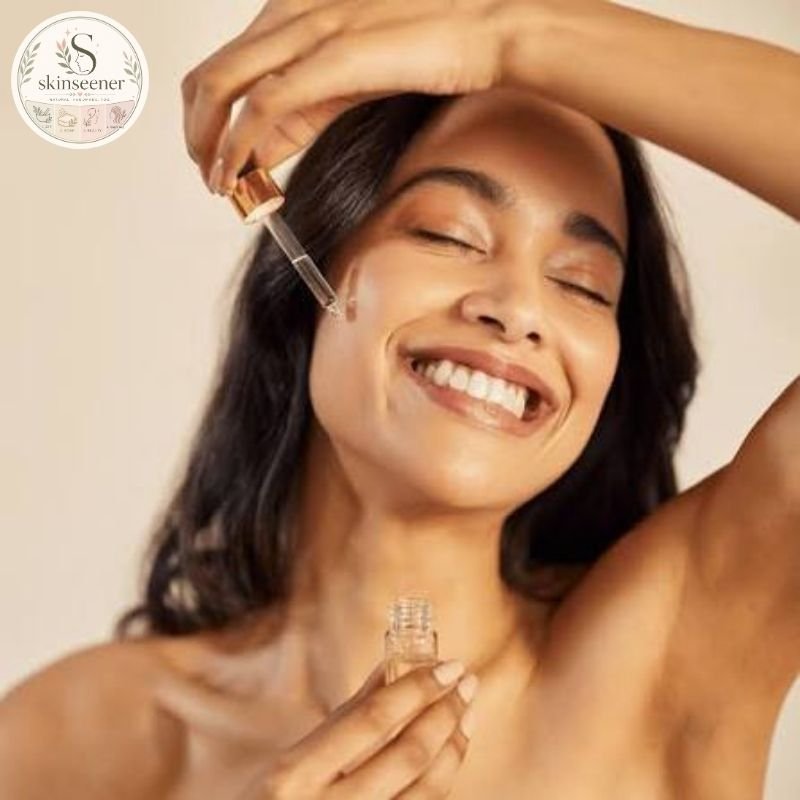
Concentrated essential oils may irritate the skin if applied directly. The risk can depend on the oil, concentration, individual sensitivity, and condition of the skin.
Always consider:
- Appropriate dilution
- Patch testing
- Avoiding damaged or irritated skin
- Product-specific instructions
How to Dilute Mint Essential Oil for Skin
A simple dilution guide for general topical use is
- 0.5% dilution: Approximately 1 drop of essential oil per 2 teaspoons of carrier oil
- 1% dilution: Approximately 1 drop per teaspoon of carrier oil
- 2% dilution: Approximately 2 drops per teaspoon of carrier oil
These are approximate examples because drop sizes can vary. Follow the guidance provided by the product manufacturer or a qualified professional.
Suitable carrier oils may include:
- Jojoba oil
- Sweet almond oil
- Coconut oil
- Other skin-compatible carrier oils
Use lower concentrations for sensitive skin.
Who Should Be Extra Careful?
Extra caution is recommended for:
- People with sensitive skin
- Children
- People with known fragrance or essential-oil sensitivities
- Anyone with damaged or irritated skin
People who are unsure about using an essential oil should seek guidance from a qualified healthcare professional.
How to Use Minty Essential Oils
Aromatherapy and Diffusers
Mint essential oils can be used in diffusers to create a fresh aromatic environment.
Basic principles include:
- Follow the diffuser manufacturer’s instructions.
- Use only the recommended amount.
- Keep the room reasonably ventilated.
- Avoid excessive or continuous exposure.
- Stop using the oil if it causes discomfort.
Topical Application
For topical use, always consider appropriate dilution.
Mint essential oils are highly concentrated, so combining them with a suitable carrier oil or using them in properly formulated personal-care products is generally preferable to applying them undiluted.
In Hair and Scalp Products
Mint essential oils can be included in shampoos, conditioners, scalp oils, and other hair-care products.
Properly formulated products are often easier to use than improvised, highly concentrated mixtures because they are designed with ingredient concentrations and product safety in mind.
In DIY Beauty Recipes
DIY mint essential oil recipes should be kept simple and carefully measured.
Follow these basic practices:
- Use a suitable dilution.
- Measure ingredients carefully.
- Avoid adding excessive amounts of essential oil.
- Store the product in an appropriate container.
- Label the container with the ingredients and preparation date.
- Keep products away from children.
How to Choose the Best Minty Essential Oil
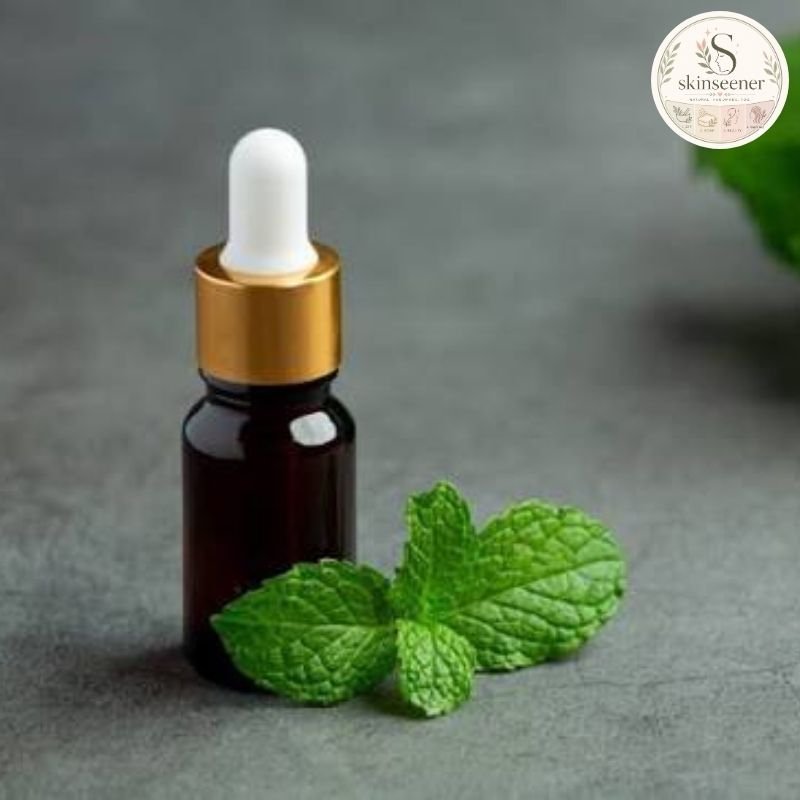
Check the Botanical Name
The botanical name helps identify exactly which plant the oil comes from.
For example, peppermint and spearmint are different plants with different compositions.
Checking the botanical name can help you avoid buying an oil that is too vaguely labeled.
Look for Ingredient Transparency
Choose products that clearly list what they contain.
The label should ideally provide information about:
- The botanical name
- The ingredient name
- The extraction method
- Any additional ingredients
Be cautious of products that use vague terms without providing useful ingredient details.
Check the Extraction Method.
Steam distillation is a common method used to produce mint essential oils.
Information about extraction can help you better understand how the product was produced.
Consider Purity and Testing
Look for brands that provide transparency about quality and testing.
However, marketing terms such as “pure” or “natural” should not automatically be treated as proof of safety or suitability for every use.
Choose According to Your Intended Use
Consider how you plan to use the oil.
For example:
- Diffusers: Choose based on aroma preference.
- Personal care: Check whether the product is appropriate for topical formulations.
- Hair care: Use properly diluted products.
- DIY products: Choose oils with clear labeling and follow safe formulation practices.
Avoid Unsupported Health Claims
Be cautious of products that promise to cure, prevent, or treat serious medical conditions.
Essential oils may be useful as fragrance ingredients or parts of personal-care routines, but strong medical claims require reliable scientific evidence.
Are Minty Essential Oils Safe?
Minty essential oils can be used safely when appropriate precautions are followed, but they are highly concentrated substances and are not risk-free.
Can You Apply Mint Essential Oil Directly to Skin?
Applying concentrated mint essential oil directly to the skin is generally not recommended.
Direct application can increase the risk of irritation or other unwanted reactions. Use appropriate dilution or a properly formulated product.
Can You Use Mint Essential Oils Around Children?
Extra caution should be used around children.
Some essential oils and their concentrated aromatic compounds may not be suitable for young children. Always follow age-specific product guidance and keep essential oils stored securely.
Do not assume that a product suitable for adults is automatically suitable for children.
Can Mint Oil Cause Skin Irritation?
Yes. Mint essential oils can cause irritation, especially when used in high concentrations or on sensitive skin.
Possible reactions may include:
- Redness
- Burning
- Stinging
- Itching
- Rash
Perform a small-area patch test before broader use when appropriate.
Can You Ingest Mint Essential Oil?
Essential oils should not be ingested casually.
They are highly concentrated, and internal use can carry risks. Follow product labeling and seek advice from a qualified healthcare professional before considering internal use.
What Happens If Mint Essential Oil Gets in Your Eyes?
Mint essential oil may cause significant discomfort if it gets into the eyes.
Avoid rubbing the eyes. Follow appropriate product safety or poison-control guidance if exposure occurs, especially if discomfort continues or the exposure is significant.
Minty Essential Oils: Quick Facts
What are minty essential oils? Concentrated aromatic oils obtained from mint-family plants.
Most recognized mint oil: Peppermint essential oil.
A milder mint option: Spearmint essential oil.
Common uses: Aromatherapy, fragrance, personal care, and diluted topical applications.
Main caution: Essential oils are highly concentrated and may irritate the skin.
Best practice: Follow product instructions and use appropriate dilution.
Common Mistakes to Avoid When Using Mint Essential Oils
Applying Undiluted Oil to Skin
Applying concentrated essential oil directly to the skin can increase the risk of irritation.
Always consider appropriate dilution or use a properly formulated product.
Using Too Much Oil
More essential oil does not necessarily mean better results.
Mint oils often have strong aromas and sensory effects, so excessive amounts may make a product uncomfortable or increase the risk of irritation.
Applying Oil Near the Eyes
The eye area is particularly sensitive.
Keep mint essential oils away from the eyes and avoid applying products too close to them.
Using Adult Products on Young Children
Children may have different safety requirements.
A product designed for adults should not automatically be used on a child.
Assuming “Natural” Means Completely Safe
Natural ingredients can still cause irritation or allergic reactions.
The term “natural” does not guarantee that a concentrated essential oil is safe for every person or every application.
Making Medical Claims Without Evidence
Avoid claiming that mint essential oils can definitely cure diseases or guarantee specific health outcomes.
Personal experiences, sensory effects, and scientific evidence should not be treated as the same thing.
Mixing Multiple Essential Oils Without Understanding Their Properties
Combining several essential oils can make it difficult to control the final concentration.
Simple formulations are generally easier to measure and evaluate than complex mixtures containing many concentrated oils.
Final Thoughts
Minty essential oils are valued for their fresh aroma and distinctive cooling sensory experience. Peppermint and spearmint are among the most popular options, while other mint-derived oils can offer different aromatic profiles and chemical compositions.
Whether you use mint essential oils in a diffuser, personal-care product, hair routine, or DIY formulation, safe and appropriate use matters. Start with small amounts, follow dilution guidance, read product instructions, and avoid making medical assumptions based solely on the fact that an oil is natural or mint-derived.
FAQs
Q1: Which essential oils are minty?
Ans. The most commonly recognized minty essential oils include peppermint, spearmint, cornmint, and field mint oils. Peppermint typically has a stronger cooling sensation, while spearmint often has a softer and sweeter mint aroma.
Q2: What is mint essential oil used for?
Ans. Mint essential oil is commonly used in aromatherapy, home fragrance, personal-care products, hair and scalp routines, and diluted topical applications. Its use depends on the specific mint oil and how the product is formulated.
Q3: Is peppermint oil minty?
Ans. Yes. Peppermint essential oil is one of the best-known minty essential oils. It has a strong, fresh, cooling aroma and is widely used in aromatherapy and personal-care products.


Leave a Reply