 admin
admin 
Introduction
Almond oil for hair fall is a popular natural remedy known for nourishing the scalp and improving hair health. Rich in vitamins and healthy fats, it helps strengthen hair strands, reduce breakage, and support healthier-looking hair when used consistently as part of a balanced hair care routine.
What Is Almond Oil?
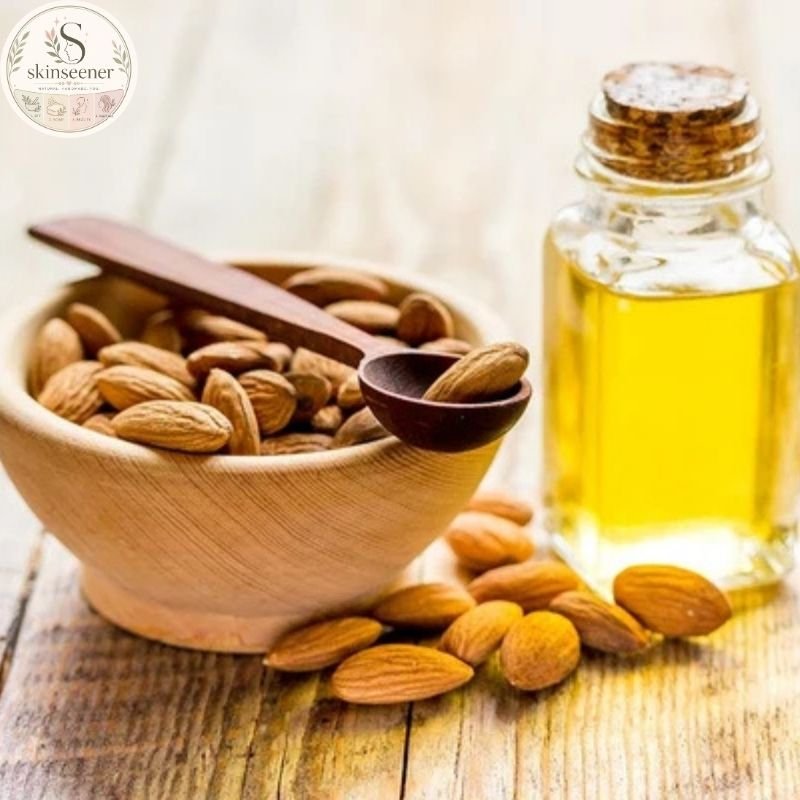
Almond oil is a natural oil extracted from almonds. There are two types: sweet almond oil, commonly used for hair and skincare, and bitter almond oil, mainly used for industrial and fragrance purposes. Sweet almond oil contains vitamin E, biotin, magnesium, healthy fatty acids, and antioxidants that nourish hair and scalp.
What Causes Hair Fall?
1. Nutrient Deficiency
A lack of essential vitamins, minerals, and protein can weaken hair roots, making strands more prone to breakage and shedding. Balanced nutrition supports stronger, healthier hair growth over time.
2. Stress and Lifestyle
Physical stress, emotional pressure, poor sleep, and unhealthy habits may disrupt the normal hair growth cycle, leading to increased hair shedding and reduced hair strength over time.
3. Hormonal Changes
Hormonal fluctuations caused by pregnancy, menopause, thyroid disorders, or other medical conditions may interfere with the natural hair growth cycle and contribute to excessive hair fall.
4. Scalp Conditions
Dandruff, scalp dryness, irritation, and product buildup may create an unhealthy scalp environment, weakening hair follicles and increasing the risk of hair breakage and shedding.
5. Heat Styling and Chemical Treatments
Frequent use of hot styling tools, hair coloring, bleaching, straightening, and chemical treatments can weaken hair fibers, resulting in dryness, split ends, and increased hair fall.
Can Almond Oil Help Reduce Hair Fall?
Almond oil for hair fall control may help improve scalp health by providing moisture, essential nutrients, and antioxidant protection. A healthier scalp can reduce hair breakage and support stronger-looking hair. However, almond oil and hair loss should not be considered a guaranteed treatment for medical conditions. Persistent or severe hair loss requires evaluation by a qualified healthcare professional.
Benefits of Almond Oil for Hair Fall
1. Nourishes the Scalp
Sweet almond oil supplies essential nutrients and moisture that help maintain a healthy scalp environment, supporting stronger hair roots and improving overall scalp comfort with regular application.
2. Strengthens Hair Strands
Rich nutrients help reduce hair breakage by improving hair elasticity and flexibility, making strands less likely to snap during brushing, styling, or everyday hair care routines.
3. Moisturizes Dry Hair
Almond oil locks in moisture, helping prevent dryness, roughness, and brittle hair. Regular use leaves hair feeling softer, smoother, and easier to manage throughout the day.
4. Rich in Vitamin E
Vitamin E acts as an antioxidant that helps protect hair from oxidative stress caused by environmental factors while supporting healthier-looking, shinier, and stronger hair strands.
5. Reduces Split Ends
Regular application smooths hair cuticles, helping minimize frizz, reduce split ends, and improve the overall texture and appearance of damaged or dry hair.
6. Adds Natural Shine
Almond oil coats the hair with lightweight moisture, making it appear softer, shinier, and healthier without leaving excessive greasiness when applied in moderate amounts.
7. Supports Healthy Hair Growth
Although almond oil is good for hair fall support, it mainly promotes a healthier scalp environment where stronger hair can grow while helping reduce breakage-related hair loss.
How to Use Almond Oil for Hair Fall
1. Almond Oil Scalp Massage
Warm a small amount of sweet almond oil and gently massage it into your scalp using circular motions. Leave it on for 30–60 minutes before washing with a mild shampoo for nourishment.
2. Overnight Hair Treatment
Apply a light layer of almond oil from scalp to hair ends before bedtime. Cover your hair with a shower cap or soft towel, then wash thoroughly with shampoo the following morning.
3. Almond Oil Hair Mask
Mix almond oil with yogurt, aloe vera gel, or honey to create a nourishing hair mask. Apply evenly from roots to ends once a week for deep conditioning and improved softness.
4. Add Almond Oil to Shampoo or Conditioner
Mix two or three drops of almond oil into your shampoo or conditioner before use. This simple method provides additional nourishment and helps improve softness without making hair excessively oily.
DIY Almond Oil Hair Masks
1. Almond Oil and Coconut Oil Hair Mask
Mix equal amounts of almond oil and coconut oil. Apply throughout the scalp and hair, leave for one hour, then wash with a gentle shampoo to improve moisture and reduce breakage.
2. Almond Oil and Aloe Vera Hair Mask
Blend almond oil with fresh aloe vera gel until smooth. Apply evenly to your scalp and hair, leave for 30 minutes, then rinse thoroughly for hydration and scalp comfort.
3. Almond Oil and Egg Hair Mask
Combine one egg with almond oil to create a protein-rich hair mask. Apply from roots to ends, leave for 30 minutes, and wash with cool water followed by mild shampoo.
4. Almond Oil and Honey Hair Mask
Mix almond oil with natural honey until well combined. Apply evenly to dry hair, leave for 30 minutes, then rinse thoroughly to help soften hair and improve moisture retention.
Tips for Using Almond Oil Safely
Always perform a patch test before applying almond oil to your scalp or hair, especially if you have sensitive skin. Choose sweet almond oil for hair care because bitter almond oil is unsuitable for cosmetic use. Avoid applying excessive amounts, as too much oil may leave hair greasy and require additional washing. Shampoo thoroughly after treatment to remove residue. Store almond oil in a cool, dark place with the lid tightly closed to maintain freshness and quality.
Who Should Avoid Almond Oil?
People with tree nut allergies should avoid almond oil unless advised otherwise by a healthcare professional. Anyone experiencing sudden, severe, or unexplained almond oil hair loss concerns should seek medical evaluation rather than relying solely on home remedies. Professional diagnosis is important for identifying underlying health conditions contributing to excessive hair shedding.
Conclusion
Almond oil for hair fall can nourish the scalp, moisturize hair, reduce breakage, and improve overall hair appearance. While almond oil good for hair loss support is widely recognized for maintaining healthy hair, consistent use works best alongside a balanced diet, proper hair care habits, and professional medical advice if hair loss becomes severe or persistent.
FAQ’s
Q1: Is almond oil good for hair falling?
Ans. Yes, almond oil can help reduce hair fall when it is caused by dryness, breakage, or poor hair health. It is rich in vitamin E, magnesium, healthy fatty acids, and antioxidants that nourish the scalp, strengthen hair strands, and improve shine. While almond oil supports healthier hair, it cannot treat hair loss caused by genetics or certain medical conditions.
Q2: What oil is best for hair fall?
Ans. Several oils may help reduce hair fall and support healthy hair growth, including:
- Rosemary oil – May promote hair growth and improve scalp circulation.
- Almond oil – Helps strengthen hair and reduce breakage.
- Coconut oil – Reduces protein loss and keeps hair moisturized.
- Castor oil – Conditions the scalp and hair, though evidence for faster growth is limited.
- Argan oil – Protects hair from damage and improves softness.
For best results, use essential oils like rosemary only after diluting them with a carrier oil such as almond or coconut oil.
Can we apply almond oil on hair directly?
Ans. Yes, sweet almond oil can be applied directly to the hair and scalp. Warm a small amount of oil, gently massage it into your scalp for 5–10 minutes, and spread it through the hair lengths. Leave it on for at least 30 minutes or overnight before washing with a mild shampoo. If you have sensitive skin, perform a patch test first.
Q3: Which oil grows hair fastest?
Ans. No oil can guarantee the fastest hair growth. However, rosemary oil has the strongest research support for promoting hair growth when used consistently over several months. Carrier oils such as almond and coconut oil help keep the scalp healthy and reduce breakage, making hair appear fuller and stronger.
Q4: How to get long hair in 7 days?
Ans. It is not possible to grow significantly longer hair in just 7 days. On average, hair grows about 1–1.5 cm (0.4–0.6 inches) per month. In one week, you can improve hair health by:
- Massaging your scalp with almond or rosemary oil.
- Eating a balanced diet rich in protein, iron, biotin, and vitamins.
- Staying hydrated.
- Avoiding excessive heat styling and harsh chemical treatments.
- Using a gentle shampoo and conditioner to reduce breakage.
These habits won’t produce dramatic length in a week, but they can create healthier conditions for steady hair growth over time.


Leave a Reply