 admin
admin 
A healthy scalp is the foundation of strong, beautiful hair. Using a homemade scalp scrub helps remove buildup, refresh the scalp, and promote healthier hair naturally.
What Is a DIY Scalp Scrub?
A DIY scalp scrub is a natural exfoliating treatment made from household ingredients that removes impurities, dead skin cells, and excess oil from the scalp.
Benefits of Using a DIY Scalp Scrub
1. Removes Product Buildup
An at home scalp scrub effectively eliminates residue left by styling products, dry shampoos, and conditioners, allowing your scalp to breathe properly.
2. Exfoliates Dead Skin Cells
Using a scalp exfoliator DIY treatment gently lifts dead skin cells, leaving the scalp refreshed and creating a healthier environment.
3. Reduces Dandruff and Flakes
A homemade scalp scrub shampoo for dandruff helps loosen flakes, soothe irritation, and minimize itching associated with dandruff-prone scalps.
4. Improves Blood Circulation
Massaging a scrub into the scalp stimulates circulation, delivering nutrients to hair follicles and supporting healthier hair growth.
5. Balances Excess Oil Production
Regular exfoliation removes excess sebum buildup and helps regulate oil production without stripping the scalp of moisture.
Common Causes of Scalp Buildup
1. Excess Oil Production
Overactive sebaceous glands produce excess oil that mixes with dirt and debris, creating stubborn buildup on the scalp.
2. Hair Product Residue
Hair sprays, gels, mousses, and leave-in treatments can accumulate over time, resulting in clogged follicles and scalp discomfort.
3. Dead Skin Cell Accumulation
Like the rest of the body, the scalp sheds skin cells naturally. Without exfoliation, these cells build up.
4. Environmental Pollution
Dust, pollutants, and environmental impurities settle on the scalp, contributing to irritation and an unhealthy scalp environment.
5. Infrequent Hair Washing
Not washing hair regularly allows oils, dirt, and product residues to accumulate and worsen scalp congestion.
Best Natural Ingredients for DIY Scalp Scrubs
1. Brown Sugar
Brown sugar gently exfoliates the scalp while dissolving easily, making it suitable for most scalp types.
2. Sea Salt
Sea salt deeply cleanses the scalp and removes stubborn buildup while providing mineral-rich exfoliation.
3. Coconut Oil
Coconut oil nourishes and moisturizes the scalp, helping prevent dryness during exfoliation treatments.
4. Aloe Vera Gel
Aloe vera gel calms irritation, hydrates the scalp, and supports a balanced scalp barrier.
5. Tea Tree Essential Oil
Tea tree oil possesses antimicrobial properties, making it useful in a homemade scalp scrub for dandruff.
6. Peppermint Essential Oil
Peppermint essential oil delivers a cooling sensation and may stimulate scalp circulation.
7. Honey
Honey hydrates the scalp naturally while offering soothing and antimicrobial benefits.
8. Apple Cider Vinegar
Apple cider vinegar helps balance scalp pH and loosen product residue effectively.
Easy DIY Scalp Scrub Recipes
1. Brown Sugar and Coconut Oil Scalp Scrub
Ingredients
- 2 tablespoons brown sugar
- 1 tablespoon coconut oil
- 1 teaspoon honey
Instructions
Mix all ingredients into a paste. Apply to a damp scalp, massage gently for five minutes, and rinse thoroughly.
Benefits
This scalp scrub recipe removes buildup, moisturizes the scalp, and improves overall scalp health.
2. Sea Salt and Aloe Vera Scalp Scrub
Ingredients
- 2 tablespoons sea salt
- 2 tablespoons aloe vera gel
- 1 teaspoon coconut oil
Instructions
Combine ingredients well. Massage onto the scalp using circular motions before rinsing completely.
Benefits
This scalp exfoliator DIY treatment soothes irritation while deeply cleansing the scalp.
3. Tea Tree Oil Anti-Dandruff Scalp Scrub
Ingredients
- 2 tablespoons brown sugar
- 1 tablespoon carrier oil
- 3 drops tea tree essential oil
Instructions
Blend ingredients thoroughly. Apply to the scalp, massage gently, then wash with shampoo.
Benefits
This homemade scalp scrub for dandruff helps reduce flakes and supports scalp cleanliness.
4. Coffee Scalp Scrub for Hair Growth
Ingredients
- 2 tablespoons coffee grounds
- 1 tablespoon coconut oil
- 1 teaspoon honey
Instructions
Mix ingredients until combined. Massage into the scalp for several minutes before rinsing.
Benefits
This homemade scalp scrub for hair growth stimulates circulation and exfoliates effectively.
5. Oatmeal Scalp Scrub for Sensitive Scalp
Ingredients
- 2 tablespoons finely ground oatmeal
- 2 tablespoons aloe vera gel
- 1 teaspoon honey
Instructions
Create a smooth paste and gently massage onto the scalp before rinsing thoroughly.
Benefits
Ideal as an at home scalp scrub, this recipe calms sensitive and irritated scalps.
How to Use a DIY Scalp Scrub Properly
1. Wet Your Hair
Thoroughly wet your hair and scalp with lukewarm water to soften buildup and prepare for exfoliation.
2. Apply the Scrub to the Scalp
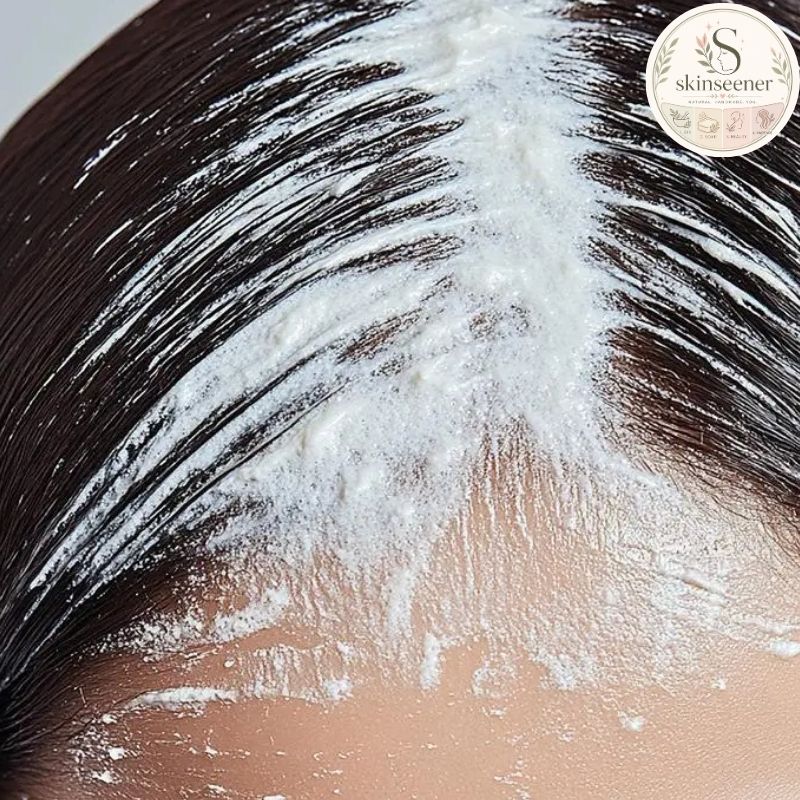
Section your hair and distribute the scrub evenly, focusing on buildup-prone areas.
3. Massage Gently
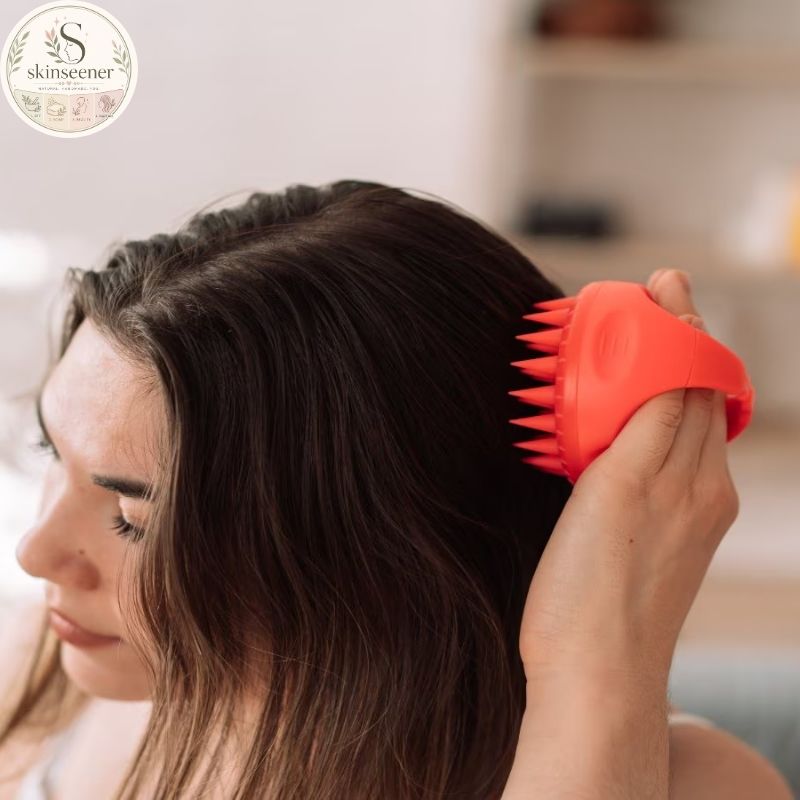
Use your fingertips in circular motions to exfoliate without causing irritation or damage.
4. Rinse Thoroughly
Rinse the scalp carefully to remove all scrub particles and loosened debris.
5. Follow with Shampoo and Conditioner
Cleanse with a gentle shampoo and finish with conditioner to restore moisture balance.
Tips for Getting the Best Results
1. Choose ingredients based on your scalp type
Select moisturizing ingredients for dry scalps and clarifying ingredients for oily conditions.
2. Avoid over-exfoliating
Limit treatments to once weekly to prevent irritation and maintain scalp health.
3. Use fresh ingredients
Fresh ingredients maximize effectiveness and reduce contamination risks in homemade preparations.
4. Follow with a hydrating conditioner
Conditioning replenishes moisture and leaves hair softer after exfoliation sessions.
5. Patch test essential oils before use
Always perform a patch test to identify potential sensitivities before application.
Mistakes to Avoid When Using a DIY Scalp Scrub
1. Scrubbing Too Hard
Aggressive scrubbing may irritate the scalp and damage the skin barrier.
2. Using Harsh Ingredients
Avoid abrasive particles that can cause micro-tears and discomfort.
3. Exfoliating Too Frequently
Excessive exfoliation may lead to dryness, sensitivity, and increased oil production.
4. Ignoring Scalp Sensitivity
Discontinue use if irritation develops and adjust ingredients accordingly.
5. Not Moisturizing After Treatment
Skipping hydration can leave the scalp dry and compromise comfort.
Conclusion
A homemade scalp scrub is a simple yet effective addition to your natural hair care routine. Whether you’re looking for a homemade scalp scrub for dandruff, a homemade scalp scrub for hair growth, or even exploring a DIY scalp scrub for seborrheic dermatitis, choosing the right ingredients can help maintain a healthier, cleaner scalp. Use these easy recipes consistently and responsibly to enjoy refreshed hair and improved scalp wellness.
FAQ’s
Q1 What is the best homemade scalp scrub?
A mixture of brown sugar and coconut oil is one of the best homemade scalp scrubs because it exfoliates gently while nourishing the scalp.
Q2 How to scrub your scalp naturally at home?
Apply a natural scalp exfoliator DIY mixture to damp hair, massage gently with fingertips, rinse thoroughly, and follow with shampoo.
Q3 How do I exfoliate my scalp?
Use a scalp scrub recipe containing exfoliating ingredients like sugar or sea salt once weekly for effective cleansing.
Q4 Is oiling good for a dry scalp?
Yes, oiling with nourishing oils like coconut oil can help hydrate a dry scalp when used appropriately.

Leave a Reply